How to Make Handmade Greeting Cards: Easy DIY Ideas for Every Occasion
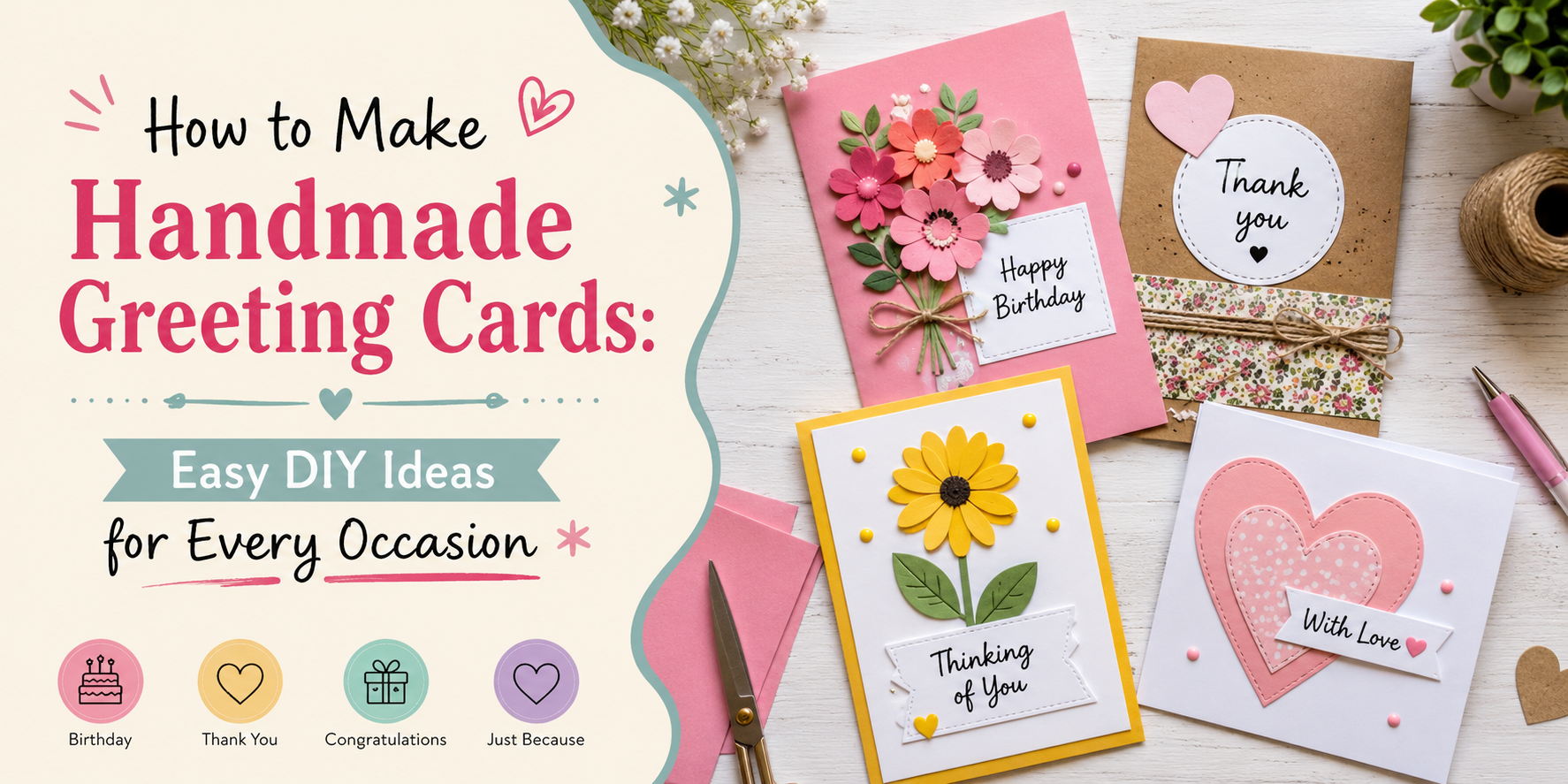
Handmade greeting cards add a personal touch to special moments. Store-bought cards may not always share the exact feelings you want to express. Creating your own card lets you choose colors, designs, and messages that fit each occasion. A handmade card can turn simple paper.
Plus, a handmade card can turn simple craft supplies into a meaningful gift. It also gives you a chance to create something based on the person receiving it. This guide shares easy DIY ideas, useful materials, design tips, and steps to help you make handmade greeting cards for birthdays, holidays, and other events. You will find ideas for different styles and ways to add your own creative details.
What Makes Handmade Greeting Cards Special?
Handmade greeting cards feel more personal because they show time, care, and thought. A handmade card is more than paper and decorations. It carries a message made for one person. Small details can help share feelings in a way that store-bought cards may not.
Show Personal Feelings Through Custom Designs
Handmade cards let you add your own style and message. You can choose colors, patterns, shapes, and words that match your feelings. A simple drawing or handwritten note can make the card feel more special. Each design choice tells a small part of your message. A heart shape can show love. Bright colors can share joy. Soft designs can create a calm and caring feeling.
Create Cards That Match the Recipient
A handmade greeting card can fit the person who receives it. You can add their favorite colors, hobbies, or memories to the design. This makes the card feel made just for them. A birthday card for a friend may include fun designs and personal jokes. A thank-you card may use simple details and kind words. Matching the design with the person adds more meaning to the gift.
Turn Simple Materials Into Meaningful Gifts
Basic supplies like paper, markers, ribbons, and stickers can become a thoughtful gift. A few simple materials can create a card that carries a special message. The process of making the card also adds value. The time spent cutting, drawing, and writing shows care. The finished card becomes a small gift that holds your effort.
Make Handmade Cards as Creative Memories
Handmade cards can become keepsakes that people save for years. They can remind someone of a special day, a kind message, or a shared moment. A handmade card holds more than a design. It keeps a memory connected to the person who created it. These small paper gifts can become lasting reminders of care and connection.
Different Types of Handmade Greeting Cards
Handmade greeting cards come in many styles. Each type gives you a chance to add a personal touch with colors, shapes, and creative details. A simple card design can share a kind message, while a detailed design can create a special keepsake. Here are some popular handmade card ideas to try.
Folded Paper Greeting Cards
Folded paper greeting cards are one of the easiest designs to create. They use a single piece of cardstock folded in half to create a front cover and inside space for a message. You can decorate the front with drawings, stickers, paper shapes, or handwritten designs. This style works well for birthdays, thank-you notes, holidays, and everyday messages. Beginners can start with basic shapes and simple decorations before trying more detailed designs.
Layered Handmade Cards
Layered handmade cards use different paper pieces stacked together to create depth. You can combine cardstock, patterned paper, and cut-out shapes to build a creative design. Each layer adds a new detail to the card front. A layered card can include flowers, hearts, stars, or seasonal designs. Using different textures and paper colors can help each part stand out. This style is a good choice for people who enjoy paper crafts and detailed designs.
Pop-Up Greeting Cards
Pop-up greeting cards add a fun surprise inside the card. Paper shapes rise or move as the card opens. You can create simple pop-up designs with flowers, balloons, animals, or other shapes. This type of card works well for special occasions. The moving design adds extra charm and makes the card feel more personal. Basic folds and paper cuts are enough to create many pop-up ideas at home.
Interactive Greeting Cards
Interactive greeting cards include features that encourage the receiver to touch, open, or move parts of the design. These cards may include pull tabs, spinning pieces, sliders, or hidden messages. This style creates a fun experience beyond a simple written note. You can use interactive parts to reveal a message, show a small picture, or add a playful element to the card.
Photo-Based Greeting Cards
Photo-based greeting cards use personal pictures as the main design element. A favorite memory, family photo, or special moment can become the focus of the card. You can add the photo to the front cover or create a photo collage inside. Extra details like borders, stickers, or handwritten notes can make the card feel more personal. This style works well for birthdays, anniversaries, and family celebrations.
Minimalist Handmade Cards
Minimalist handmade cards focus on clean designs and simple details. They often use a few colors, a small image, and a short message. A simple layout can create a neat and elegant look. This style is easy to make with basic supplies. A small drawing, a paper shape, or a thoughtful message can be enough to create a meaningful card. Minimalist designs are a good option for many occasions because they keep the focus on the message.
Materials and Tools for Creative Handmade Cards
Making handmade greeting cards becomes easier with the right materials and tools. Simple supplies can help you create different styles, from clean designs to colorful handmade pieces. A small craft collection gives you more choices for each card project.
Premium Cardstock and Specialty Papers
Cardstock is the main base for most handmade greeting cards. It is thicker than regular paper, so it helps the card keep its shape. Choose smooth cardstock for writing and decorating. Specialty papers, such as glitter paper, metallic paper, or handmade paper, can add different looks to your designs. The paper color also affects the card style. Soft colors can create a gentle feel, while bright shades can add energy. Keep a mix of paper types to match different occasions.
Decorative Cutting Tools
Cutting tools help create clean shapes and detailed designs. A good pair of craft scissors works well for simple cuts. Decorative scissors can create edges with different patterns. Paper cutters and craft knives can help you cut straight lines and precise shapes. These tools are useful for layered cards, paper shapes, and custom designs. Always use cutting tools carefully and keep them in a safe place.
Craft Markers and Fine Tip Pens
Markers and fine tip pens help add words, drawings, and small details to greeting cards. Fine tip pens work well for writing messages, outlining shapes, and adding small patterns. Craft markers come in many colors and styles. They can help create hand lettering, simple illustrations, or colorful backgrounds. Water-based markers are a good choice for paper crafts because they are easy to control.
Patterned Papers and Textured Sheets
Patterned papers add style and variety to handmade cards. Floral prints, geometric designs, and seasonal patterns can match different events. These papers work well as backgrounds or small decorative pieces. Textured sheets add a different feel to the card surface. Papers with raised patterns, soft finishes, or unique textures can make simple designs look more detailed. Mixing plain and patterned papers creates a balanced card layout.
Decorative Elements and Embellishments
Decorative elements add extra details to handmade greeting cards. Items like ribbons, buttons, stickers, beads, and paper flowers can create different styles. Use decorations that match the card theme. A birthday card may look great with colorful shapes, while a thank-you card may need simple details. Small additions can make the design feel more personal.
Handmade Stencils and Templates
Stencils and templates help create repeated shapes and patterns. They are useful for beginners who want neat designs without drawing every detail by hand. You can create your own templates using paper or thin plastic sheets. Shapes like hearts, stars, flowers, and letters can be reused for many card projects. These tools save time and help keep designs consistent.
How to Make a Handmade Greeting Card Step by Step
Making a handmade greeting card becomes easier with a clear plan. A few simple steps can help you create a card that matches the occasion and shows your personal touch. Start with a basic idea, then add details that fit your style.
Step 1: Pick a Unique Card Design
Start by choosing a card style that fits the person and event. A birthday card may use bright colors and fun shapes. A thank-you card may need a clean and warm look. Think about the theme, colors, and feeling you want the card to share. Look through craft ideas, colors, and patterns to find a style that feels right. You can create a simple card with paper shapes or try a design with more layers and details.
Step 2: Sketch Your Card Idea
A quick sketch helps you plan the card before cutting paper. Draw the card shape, placement of text, and areas for decorations. This small step helps you see how each part will fit together. You do not need perfect drawing skills. A rough outline is enough to guide your work. Try different layouts until you find one you like.
Step 3: Prepare Paper Layers and Elements
Choose the paper, colors, and pieces you want to use. Cut cardstock, patterned paper, letters, or shapes based on your sketch. Keep each piece ready before you start putting the card together. Paper layers can add depth to your design. Small pieces like borders, shapes, or cut-out designs can make the card look more detailed.
Step 4: Build the Card Structure
Fold the base paper carefully to create the card shape. Place the main design pieces on the front and check their position before using glue. Attach each layer one at a time. Keep the edges neat and make sure the card can open and close easily. A strong card base helps protect the design.
Step 5: Add Creative Decorations
Decorations can give your card a personal style. Add items like ribbons, stickers, paper flowers, stamps, or hand-drawn details. Choose decorations that match the main theme. Avoid adding too many pieces at once. A balanced design helps each decoration stand out.
Step 6: Write a Meaningful Message
The message inside the card gives it a special touch. Write a few kind words that match your relationship with the person receiving it. A short message can share thanks, love, good wishes, or support. Use your own words to make the card feel personal.
Step 7: Review and Improve the Design
Look over the card after finishing the main work. Check the glue, paper edges, colors, and message placement. Small changes can make the card look cleaner. Add final touches only if they fit the design. A handmade card feels special because of the care added during each step.
Handmade Greeting Card Design Ideas
Handmade greeting cards can have many different styles. The design choice depends on the message, event, and person receiving the card. Simple details, creative layouts, and personal touches can turn basic paper into a special gift. Here are some design ideas to help create beautiful handmade greeting cards for different occasions.
Floral Handmade Greeting Cards
Floral designs are a classic choice for handmade cards. Paper flowers, hand-drawn petals, or pressed flowers can create a soft and charming look. Use different flower shapes and colors to match birthdays, thank-you notes, weddings, or other special moments. A floral card can have a simple flower border or a large flower design in the center. Adding small details like leaves, stems, or a handwritten message can make the card feel more personal.
Minimal Black and White Cards
Black and white cards offer a clean and simple style. This design uses fewer colors but still creates a strong visual effect. Simple patterns, line drawings, and bold lettering work well with this style. A black and white card can include a small illustration, a short message, or a modern pattern. This type of card is a good choice for people who enjoy simple and neat designs.
Rustic Style Greeting Cards
Rustic greeting cards use natural textures and warm details. Materials like kraft paper, twine, dried leaves, and wooden elements can create a cozy appearance. These cards work well for thank-you notes, weddings, and seasonal greetings. A handwritten message on kraft paper can add a handmade feel. Small decorations, such as simple stamps or paper cutouts, can complete the rustic look.
Vintage Inspired Greeting Cards
Vintage-inspired cards bring an old-fashioned style to handmade designs. Use soft colors, lace patterns, old-style fonts, or vintage images to create this look. These details can give the card a classic feel. Old postcards, antique patterns, and faded paper designs can also be used as inspiration. A vintage card is a nice option for someone who enjoys classic artwork and timeless styles.
Cute Animal Theme Cards
Animal-themed cards add a fun and friendly touch. Create designs with paper animals, cartoon faces, or playful drawings. Cats, dogs, birds, butterflies, and other animals can fit many occasions. These cards are great for children, animal lovers, or anyone who enjoys cheerful designs. Add simple details like colorful backgrounds, small stickers, or funny messages to make the card more enjoyable.
Handmade Photo Memory Cards
Photo memory cards turn special pictures into meaningful keepsakes. Add family photos, travel pictures, or favorite moments to create a personal design. Combine photos with paper decorations, frames, and handwritten notes. A photo card can share memories while also delivering a thoughtful message. It works well for birthdays, anniversaries, thank-you cards, and family celebrations.
3D Paper Art Greeting Cards
3D paper art cards create a raised design that stands out. Layered paper pieces, pop-up shapes, and folded elements can add depth to the card. Flowers, hearts, buildings, and seasonal designs are popular choices for this style. Creating a 3D card takes a little more time, but the result feels special. These cards are a great way to show creativity and add a unique touch to a handmade gift.
Advanced Techniques for Handmade Greeting Cards
Simple paper cards can become more creative with advanced craft methods. These techniques add texture, shape, and personal style to your designs. Each method gives your handmade greeting cards a special look for birthdays, holidays, thank-you notes, and other events.
Paper Quilling Designs
Paper quilling uses thin paper strips shaped into curls, loops, and patterns. These small paper pieces can create flowers, hearts, letters, and other designs on a card. Start with basic shapes like circles and teardrops. Place them together to form a larger design. A quilled border or small artwork can add extra detail to a plain card without using many supplies.
Embossing Effects
Embossing adds raised patterns and textures to paper surfaces. It creates a stylish effect that makes certain areas stand out. You can use embossing folders, stamps, or simple tools to create patterns. Floral shapes, geometric lines, and custom messages work well with this technique. Embossed details can be added to card backgrounds, borders, or main designs.
Paper Folding Techniques
Paper folding techniques bring shape and movement to handmade cards. Simple folds can create layers, pockets, or three-dimensional designs. Try making accordion folds, pop-up sections, or folded paper flowers. These ideas add depth and make the card more fun to open. Different paper sizes and folds can create many unique layouts.
Die Cut Card Designs
Die cutting helps create clean shapes and detailed patterns from paper. You can use metal dies with a cutting machine or manual tools to cut designs. Use die cuts for flowers, animals, letters, frames, and decorative edges. Layering different paper pieces can create a neat card design with more visual interest. Die cut shapes also work well with simple backgrounds.
Mixed Media Card Art
Mixed media cards combine different craft materials in one design. Paper, paint, ink, fabric, stickers, and other items can work together to create a creative card. This style gives you more freedom with textures and colors. A handmade card can include painted backgrounds, paper shapes, and small decorative pieces. Each layer adds a different feel to the final design.
Fabric and Ribbon Card Details
Fabric and ribbon details add a soft touch to handmade greeting cards. Small pieces of lace, cloth, or ribbon can create beautiful accents. Use ribbons for bows, borders, or hanging designs. Fabric pieces can become flowers, patterns, or small shapes. These materials add a different texture and make cards feel more special.
Tips to Make Handmade Greeting Cards Look Professional
A handmade greeting card can look polished with the right design choices. Small details can change the way a card feels. A clean layout, careful color choices, and neat decorations help create a card that looks well made.
Create a Strong Focal Point
Every card needs a main area that catches attention. This could be a large flower, a photo, a message, or a special paper design. Place the main element in a spot that feels natural. Keep extra decorations around it simple so the main design stays clear.
Use Balanced Spacing
Good spacing helps each part of the card stand out. Leave enough room between text, images, and decorations. A crowded card can feel messy, while open spaces create a cleaner look. Check the layout before adding glue or final touches.
Combine Colors Carefully
Colors play a big role in the mood of a greeting card. Pick shades that work well together and match the purpose of the card. Soft colors can create a gentle feel, while bright colors can bring energy to birthday or celebration cards. Use a few main colors instead of adding too many shades.
Match Decorations With the Theme
Decorations should fit the message and style of the card. A wedding card may look better with elegant paper shapes, while a kids’ card may use fun patterns and playful designs. Choose elements that support the idea behind the card.
Keep Handmade Details Neat
Neat work gives a handmade card a finished look. Cut paper edges carefully, place stickers evenly, and write messages clearly. Take time with small details like folds, layers, and glue marks. A little care can help each card look more polished.
Common Handmade Greeting Card Mistakes
Making a handmade greeting card gives you a chance to share a personal message in a creative way. Small details can change how the final card looks and feels. Avoiding common mistakes helps create a card that feels thoughtful, balanced, and easy to enjoy.
Copying Designs Without Adding Personal Ideas
Using other card designs for inspiration is a helpful way to start. A copied design may feel less meaningful if it does not include your own ideas. Add personal details that connect with the person receiving the card. A favorite color, a special memory, or a custom message can make the card feel more personal. Small changes can turn a simple design into something that feels made just for someone.
Choosing Materials That Do Not Match
The materials you use affect the look of your handmade greeting card. Mixing too many different paper styles, colors, or decorations can make the design feel messy. Choose materials that work well together. Match the paper, colors, and decorations with the card theme. A birthday card may use bright colors, while a thank-you card may look better with soft tones. A good material choice helps every part of the card work together.
Adding Too Many Decorative Elements
Decorations can make a card more creative, but too many items can hide the main design. Stickers, ribbons, buttons, and paper shapes should support the card theme. They should not take attention away from the message. Leave some empty space around the design. A clean layout helps each decoration stand out. A few well-placed details often create a better result than adding many extra pieces.
Making Text Difficult to Read
The message is one of the most meaningful parts of a greeting card. Hard-to-read fonts, small letters, or colors with low contrast can make the message difficult to enjoy. Choose clear writing styles and place the text in an easy-to-see area. Use a pen or marker that matches the card design but still stands out. Keep enough space around the words so the message looks neat and organized.
Ignoring Card Size and Shape
The size and shape of a greeting card affect the whole design. A small card may not have enough space for large decorations or long messages. A large card needs enough design elements to avoid looking empty. Plan the layout before adding decorations. Check that the folded card fits your envelope and that all parts stay in place. A well-planned size and shape help create a finished card that looks polished.
How to Package and Present Handmade Greeting Cards
A handmade greeting card feels more special with the right packaging. The way you present it adds charm and shows extra care. A simple package can turn a small card into a thoughtful gift.
Use Decorative Envelopes
The envelope is the first thing people see before opening the card. Choose an envelope that matches the card style and colors. A floral card may look great with a soft pastel envelope, while a modern design may suit a plain or textured option. You can also decorate the envelope with stickers, stamps, ribbons, or handwritten names. Keep the design neat so it does not take attention away from the card inside. A small detail on the envelope can create a nice first impression.
Add Small Gift Details
Small extras can make a handmade greeting card feel more personal. Add a short note, a paper flower, a bookmark, or a small charm inside the package. These simple items can create a sweet surprise for the recipient. Choose details that match the occasion. A birthday card may pair well with a tiny party tag. A thank-you card may look nice with a simple message card. These small touches help the gift feel more thoughtful.
Protect Handmade Designs Before Delivery
Handmade cards often have layers, decorations, and delicate pieces. Proper protection helps keep the design safe during delivery. Place the card inside a clear sleeve or a protective cover to prevent dust, bends, or damage. A sturdy mailer or padded envelope can help protect the card during shipping. Make sure raised elements, such as paper flowers or 3D shapes, have enough space. A little extra care helps the card arrive in good condition.
Create a Beautiful Presentation
Presentation starts with the small details. Fold the card neatly, place it carefully inside the envelope, and add any extra decorations in a balanced way. A clean arrangement makes the handmade work stand out. You can also add a ribbon, a gift box, or a simple wrapping paper layer for special occasions. The final look should match the feeling behind the card. A well-presented handmade greeting card becomes a keepsake that people will enjoy receiving.
Final Notes
Handmade greeting cards are a simple way to share kind messages and personal feelings. A few sheets of paper, some craft supplies, and a thoughtful idea can create something special for any occasion. Start with a design that fits the person and the event. Add colors, shapes, and decorations that match the message you want to share. Small details like a handwritten note, a photo, or a custom design can make the card feel more personal. The beauty of handmade cards comes from the time and care added during the process. Whether you create a simple folded card or a detailed paper design, each piece carries your own touch. Enjoy creating cards that bring smiles and keep special memories.
FAQs
What materials do I need to make handmade greeting cards?
You can create handmade greeting cards with basic supplies like cardstock, patterned paper, markers, scissors, glue, ribbons, stickers, and decorative pieces. The materials you choose depend on the style and design you want to create.
Are handmade greeting cards difficult to make?
Handmade greeting cards can be simple or detailed based on your skill level. Beginners can start with folded paper cards and basic decorations. More advanced designs can include layers, pop-up features, or mixed media details.
How can I make my handmade card look more professional?
A clean layout, balanced spacing, and matching colors can help your card look polished. Keep decorations neat and make sure the message is easy to read. A clear main design element can also improve the overall look.
Can I make handmade greeting cards for any occasion?
Yes, handmade cards work well for birthdays, holidays, thank-you messages, weddings, anniversaries, and many other events. You can adjust the colors, designs, and messages to match each occasion.
How do I protect a handmade greeting card before delivery?
Place the card inside a protective sleeve or cover to prevent damage. Use a sturdy envelope or mailer, especially for cards with raised decorations or layered designs.
What makes handmade greeting cards special?
Handmade greeting cards show personal effort and care. The custom design, handwritten message, and creative details help create a meaningful gift that feels made for a specific person.