How to Design a Personalized House Key Memories Shadow Box
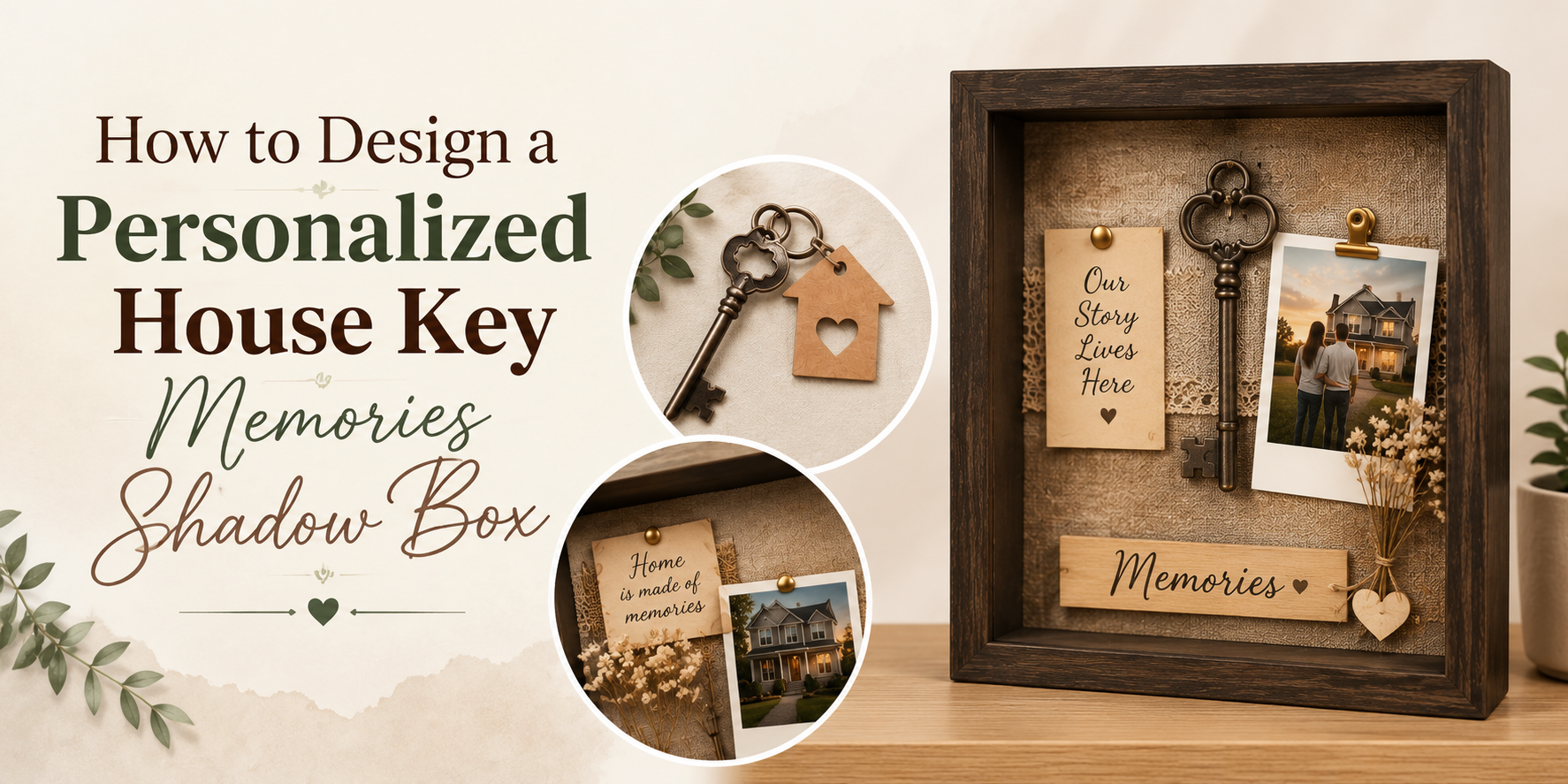
House keys often carry stories of a home, a move, or a new start. Many people keep them long after the doors change. A house key memories shadow box turns those small objects into a simple wall display that holds photos, notes, and keepsakes together.
Next it also brings meaning to moments tied to a first home, new home or family space. This idea helps people hold onto key memories in one place with clear visual form. The steps below show how to plan design and build your own shadow box with care. Each section gives simple ways to turn a house key into a lasting display piece ready to begin the process
What Is a House Key Memories Shadow Box?
A house key memories shadow box is a framed display with depth. It holds a house key and small items linked to a home. People use it to keep memories of a place that matters. The key often comes from a first home, a family house, or a new start.
Inside the box, you can place photos, a short note, or a small tag with an address. Each item helps tell a simple story about the home and the time spent there. The frame keeps everything in one safe space. It turns small pieces of memory into something you can see every day.
Why House Keys Make Meaningful Keepsakes
A house key holds more than metal and cuts. It marks a place someone once called home. It can bring back the sound of a door opening after a long day. It can also bring back the first step inside a new beginning.
Each key carries a story. Some point to a first apartment. Some belong to a childhood home. Some mark a place where a family grew and changed. Holding that key can bring back small details that time often hides. There is also a sense of change tied to it. A key often stands for a shift in life. A move to a new city. A new stage in life. A space where memories were made and then left behind.
People often keep old keys in drawers or boxes. Later, they find them again and remember moments they had not thought about in years. A key can bring back names, rooms, and quiet daily routines. That is why a house key works well in a shadow box. It is small, simple, and full of meaning.
Occasions Perfect for Creating a Key Memory Display
A key memory display box works well during big life changes. It holds keys and small items that carry meaning from a place or moment. Moving into a first home is one common time for this display. The first house key marks a new start. It often feels special and worth saving.
A housewarming event also fits this idea. Friends and family gather to mark a new space. A key from that home can become a lasting reminder of that day. Weddings often bring shared homes and new keys. Couples may keep their first house key together as a symbol of their new life.
Anniversaries also connect well with this type of display. A saved key can reflect years spent building a home together. A move to a new city or state brings change. Old keys can represent the place left behind and the memories tied to it.
Graduation into a first apartment marks a step toward independence. A simple key can hold strong meaning from that stage of life. Family homes passed through generations can also be part of the story. Old keys can link past and present in a clear way.
Gather Materials for Your Shadow Box Project
Start with a clear plan for your shadow box. A house key memory box holds small items that matter to you. Laying out materials first helps the project feel simple and steady.
Choosing the Right Shadow Box Frame
Pick a frame with enough depth for small objects. A deeper frame works better for keys, photos, and tiny keepsakes. Wood frames give a warm look. Black or white frames feel clean and modern. Make sure the glass or cover fits tightly so items stay in place.
Essential Craft Supplies You'll Need
Basic tools make the work easier. Use strong glue for heavy items like metal keys. Double-sided tape helps with light paper pieces. A ruler keeps spacing neat. Scissors help with cutting photos or paper. A backing board gives a solid base for your design.
Optional Decorative Elements for Personalization
Small details bring your story to life. Add labels with dates or names. Use printed photos, ticket stubs, or handwritten notes. Small beads or fabric pieces can add texture. Choose items that connect to your home story and keep the layout balanced.
Choose a Theme for Your House Key Memories Shadow Box
A clear theme helps guide the design of your shadow box. It sets the tone for the keepsake and shapes the items you include.
First Home Memory Keepsake
Focus on the first house you owned or rented. Use your house key as the main piece. Add a small photo of the front door or address card. Keep the design simple so the memory stands out.
New Home Celebration Display
Center the design around moving day or a new start. Add items like a closing date card, moving date note, or welcome sign. A short message from that day can also fit well in the box.
Family Home Tribute Shadow Box
Build a design that reflects a home shared with family. Include a house key, family photo, and a small item tied to daily life. The goal is to show the meaning of the home through personal pieces.
Forever Home Memory Design
Use this theme for a home that holds long-term value. Place the key in the center. Add items that reflect lasting memories, such as a favorite room photo or a handwritten note from a family member.
Housewarming Gift Shadow Box Ideas
Design this as a gift for someone moving into a new place. Add a house key, a welcome note, and a small decorative element that matches their style. Keep it warm and personal without adding too much detail.
Plan the Layout Before You Begin
A clear plan helps the whole project stay neat. Place all items on a flat surface first. This helps you see what you have. It also makes it easier to decide where each piece will go.
Making the House Key the Focal Point
Start with the house key. This is the main item in the shadow box. Place it in the center or slightly off-center. Keep it in a spot that draws attention right away. The key should stand out without feeling crowded.
Arranging Photos and Memorabilia
Place photos around the key. Add small items like tickets or notes. Keep space between each item. Do not pack them too close. This helps each piece stay easy to see. Try different spots until the layout feels right.
Creating a Balanced and Attractive Design
Step back and look at the full layout. Check both sides of the box. Adjust items so one side does not feel heavier than the other. Small changes can make the design feel calm and complete. Keep moving pieces until everything feels steady and clean.
Design a Personalized Background
A good background sets the mood for your house key memories shadow box. It brings your items together in one place. It also helps tell your story in a clear way.
Selecting Colors That Match Your Home Story
Pick colors that match your home and the feeling you want to show. Soft tones can feel calm and warm. Bright tones can feel lively and bold. Stick to two or three colors for a clean look. Too many colors can make the display feel busy.
Using Maps, Blueprints, or Address Prints
Maps and blueprints can add a strong personal touch. A map of your home area can show where your story begins. A simple house outline can also work well. An address print can mark the exact place that matters to you. Place it in the background so it stays easy to see but does not crowd the design.
Adding Quotes, Dates, and Meaningful Text
Short text can give more meaning to your shadow box. A family quote can bring warmth. A date can mark a special day like moving into a home. Keep the words short so they fit well in the space. Place the text where it supports the other items, not where it hides them.
Personalize Your Shadow Box with Special Details
A house key memories shadow box feels more special with personal touches. Small details turn it into a keepsake that tells a story. Each part can reflect the people and moments tied to the home.
Including Family Names and Home Addresses
Add family names to make the shadow box feel personal. You can place the names of everyone connected to the home. The home address also adds meaning. It marks the exact place where memories were made. This detail helps tie the design to a real location that matters.
Highlighting Important Dates and Milestones
Dates can tell a strong story. You can include the move-in date or the day the house was bought. Other milestones also work well, like first holidays in the home or special celebrations. These small markers help show the journey of life in that space.
Adding Personal Messages or Sentimental Notes
Short messages can add warmth to the design. A simple note like “Our first home” or “Where it all began” can carry deep meaning. You can also write a favorite memory or a short quote that fits your story. These words help bring emotion into the shadow box without making it feel crowded.
Secure and Display the House Key
A house key can hold strong meaning in a shadow box. It can represent a home, a first house, or a special moment. Placing it well keeps the design clean and easy to view. The key should sit as a clear focus inside the frame.
Best Methods for Attaching House Keys
Small hooks work well for holding a key in place. A strong glue dot can also hold light keys. A thin wire loop can give extra support and control the position. A keyring can help connect the key to a nail or hook inside the box. Metal parts should sit tight against the backing. Loose parts can shift and change the layout. A steady hold keeps the design neat and easy to view.
Creating Depth and Dimension in the Display
Depth comes from space between objects. A raised mount can lift the key away from the back panel. This small gap creates a soft shadow behind the key. Layering items at different heights adds more visual shape. A flat background keeps attention on the key. Light and shadow together give the box a balanced look.
Ensuring Long-Lasting Stability
A firm backing board helps hold all parts in place. Strong adhesive points keep the key from moving over time. A tight frame seal protects the inside layout from dust and small shifts. Each piece should stay fixed in its spot. A stable setup keeps the shadow box looking the same over time.
Add Photos and Meaningful Memorabilia
Start with a small selection of photos that carry real meaning. Pick moments tied to the house or the people who lived there. A front door shot, a family day inside, or a simple room view can all work well. Keep the number low so each photo stands out.
Add items that tell a story about the home. A spare house key is an obvious choice. A small tag from move-in day also fits well. Some people include a piece of wallpaper or fabric from inside the house. Even a short handwritten note can add depth. Place items in a way that feels balanced. Spread them out so nothing feels crowded. Leave some empty space so the eye can rest. This helps each piece get attention without distraction.
Layering can add depth. Put photos slightly behind or beside objects instead of flat in one line. A key placed over part of a photo can create a strong link between memory and object. Look at the full layout before fixing anything in place. Move pieces around until the story feels clear. Each item should feel like it belongs with the others, not placed at random.
Assemble the House Key Memories Shadow Box
Start with a clean work area. Lay out all your pieces. Keep everything within reach so the process feels smooth. Pick the base of your shadow box. Place it flat on the table. Check that it is clean and dry before you move on. Arrange your house key first. Put it near the center or slightly off-center. Try a few spots before fixing it down. The key should feel like the main focus.
Add small items that tell your story. This can include a house number, a date, or a small note. Place them around the key in a simple layout. Step back and look at the full design. Does it feel balanced? If something feels off, adjust the spacing or move an item a little. Once the layout feels right, attach each piece. Press each item firmly so it stays in place. Close the shadow box frame. Make sure it locks or seals properly. Now your house key memory display is ready to show.
Creative House Key Shadow Box Design Ideas
A house key shadow box holds more than metal and glass. It keeps memories from a special home. Each design style can tell a different story. The look you choose sets the mood of the display.
Rustic Farmhouse-Inspired Displays
Rustic farmhouse styles use warm and natural elements. Wood frames with rough textures work well here. Neutral tones like brown, beige, and soft white keep the focus on the key inside. Some people add small notes or fabric pieces from the home. A short label with the house address or move-in date can sit next to the key. This style feels warm and lived-in. It fits homes with a cozy and simple feel.
Modern and Minimalist Designs
Modern designs focus on clean lines and open space. Black or white frames are common. The layout stays simple with little decoration. A single key placed in the center creates a strong visual point. Some designs include a small metal plate with the home address or date. The look stays neat and clear. It works well for new homes or city apartments.
Vintage and Nostalgic Memory Boxes
Vintage styles bring a sense of the past. Old-style frames, soft colors, and aged textures set the tone. Some boxes use faded paper backgrounds or antique patterns. People often include old photos, moving tickets, or handwritten notes. These small items help tell the story of the home. The key becomes part of a larger memory collection. This style feels personal and full of history.
Personalized Gift Ideas for Homeowners
A house key shadow box makes a meaningful gift. It works for housewarming events or moving day memories. Personal touches make it even more special. Names, dates, or short messages can be added inside the box. Some designs include tiny symbols that match the home style. Each detail helps connect the gift to the person receiving it.
Display and Preserve Your Finished Shadow Box
Your shadow box now holds your house key memories. It carries meaning from your home and the moments tied to it. Now it needs a place where it can be seen and cared for.
Best Places to Showcase Your Keepsake
Pick a spot that feels calm and steady. A living room wall works well. A hallway shelf also works. Some people place it near the entry door. That spot keeps the memory close to the place it represents. Avoid crowded spaces. A clean wall helps the box stand out. Eye level placement often feels right. It draws attention without needing effort. A small stand on a desk or dresser also works. It keeps the piece close for daily viewing.
Protecting It from Dust and Sunlight
Dust can collect over time. A glass front helps block most of it. Light cleaning keeps the surface clear. A soft cloth works best for wiping. Direct sunlight can fade paper, photos, and colors inside the box. A shaded wall keeps everything safer. A spot away from strong window light helps the piece last longer. Closed display cabinets also help. They reduce dust and block harsh light at the same time.
Long-Term Care and Maintenance Tips
Check the box every few weeks. Look for dust or loose items inside. Gentle cleaning keeps it fresh. Keep the area dry. Moist air can affect paper and small items inside. Handle it with care if you need to move it. Hold the frame from the sides. Avoid pressing the glass. Over time, small care habits protect the memories inside. The box stays clear, steady, and ready to view for years.
Final Verdict
A house key memories shadow box keeps home moments in one place. It turns a small object into a clear story on the wall. The key stands for a home, a move, and a new start. Simple design choices guide the result. A strong frame, a clean layout, and a clear background help the key stand out. Photos and small items support the story without taking attention away from the center.
Personal details give the box its true value. Names, dates, and short notes connect the display to real life moments. Each item adds a piece of memory tied to the home. Good placement and basic care keep the shadow box in steady condition. A safe wall spot and light cleaning help it stay clear over time. This type of display brings home memories into daily view in a simple and steady way.
FAQs:
What is a house key memories shadow box?
It is a framed box with depth. It holds a house key and small items tied to a home.
What items can go inside the shadow box?
You can add photos, notes, address tags, and small keepsakes linked to the home.
Why do people use a house key in the display?
A house key stands for a home, a move, and life moments tied to that place.
What kind of frame works well?
A deep frame works best. It gives space for keys and small objects.
How do I hold items inside the box?
Strong glue, tape, hooks, or wire can hold items in place on the backing.
Where should the shadow box be placed?
A living room wall, hallway, or entry area works well. A clear wall helps it stand out.
How do I protect it from dust and light?
A glass cover helps block dust. A shaded spot helps reduce light exposure.
Can this be used as a gift?
Yes. It works well for housewarmings, moves, weddings, and family home moments.