Why Sublimation Printing Stands Out from Other Methods
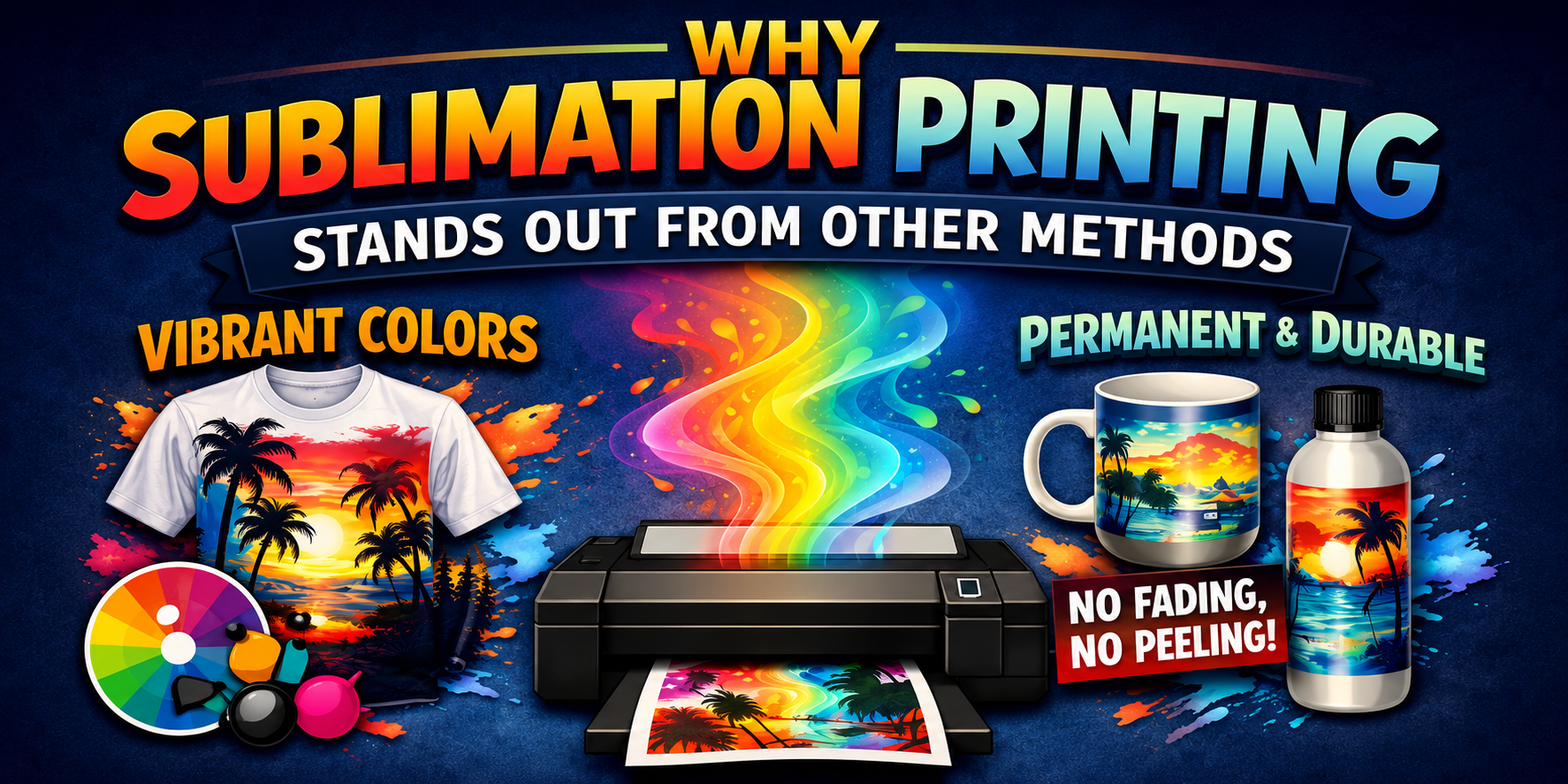
Sublimation printing is now a popular choice in modern printing work. Many designers, print shops, and small businesses use it because it delivers strong color quality and long-lasting results.
In simple terms, sublimation printing uses heat to turn ink into gas. The ink then bonds with the fabric or coated surface. It does not stay on top of the material. It becomes part of it. This is why the print does not crack, peel, or fade quickly.
You may have seen sports jerseys with bright designs that still look fresh after many washes. That is often sublimation printing. It is used on t-shirts, mugs, cushions, and many other items where clean and lasting print quality matters.
What Is Sublimation Printing?
Sublimation printing is a method that uses heat to move ink into a material. The ink turns into gas under high heat. It then bonds with the surface instead of sitting on top.
This process works best with polyester fabrics and coated items. The design becomes part of the material. It does not peel or crack easily.
Standard printing places ink on the surface. Sublimation goes deeper. The color stays smooth and long-lasting.
Overview of Other Printing Methods (Screen, DTG, Heat Transfer)
Before deciding why sublimation printing is better, it helps to understand other common printing methods.
Screen Printing
Screen printing is one of the oldest methods. It works well for bulk orders with limited colors. Each color needs a separate screen. This adds setup time. It also raises cost for detailed designs. The ink layer is thick. Over time, prints may crack or fade. Complex artwork is harder to produce with this method.
DTG (Direct to Garment)
DTG printing sprays ink directly onto fabric. It works well for small orders and detailed designs. It can print many colors in one go. This method works best on cotton fabric. Prints may fade faster after many washes. The printer also needs regular maintenance to stay consistent.
Heat Transfer Printing
Heat transfer uses printed designs placed on fabric with heat and pressure. It is often used for custom items and short runs. The design sits on top of the fabric. After repeated washing, peeling and cracking can happen. The feel of the print can also be heavier compared to other methods.
Comparison Note
Screen printing suits bulk simple designs. DTG works for small detailed prints. Heat transfer fits quick custom jobs. Compared to these, sublimation printing provides stronger color bonding with the fabric. It delivers longer lasting results and a smoother finish on compatible materials.
Key Advantages of Sublimation Printing (Durability, Vibrancy, All-Over Printing)
Sublimation printing is used in many apparel and product designs. It works by turning ink into gas so it bonds with fabric. The result is print that becomes part of the material.
1. Durability
Regular prints can crack or peel over time. This often happens after many washes. Sublimation ink bonds inside the fabric fibers. The design does not sit on top of the cloth. This helps the print stay smooth after repeated washing. Clothing keeps its original look for longer use.
2. Vibrancy
Some printing methods lose color after a short time. Designs may look dull after washing or sun exposure. Sublimation uses ink that turns into gas and spreads inside the fabric. The color spreads evenly through the material. This creates strong and clear colors. Designs keep their brightness for a long time.
3. All-Over Printing
Many printing methods only work on small areas. Large or full fabric designs become difficult to produce. Sublimation supports full fabric coverage. It allows printing from edge to edge on garments. This helps create designs across entire shirts, jerseys, and other items. The final product shows a continuous pattern without breaks.
4. Fabric Flexibility
Some prints feel heavy or stiff on fabric. This can affect comfort during use. Sublimation does not add extra layers on top of the cloth. The print becomes part of the material itself. This keeps the fabric light and smooth. Apparel stays comfortable for daily wear and sports use.
Comparison Table: Sublimation vs Alternatives
Printing methods work in different ways. Each one gives a different result on fabric. Some last longer. Some feel softer. Color output also changes from one method to another.
Each method serves a different need. Sublimation works best on polyester and gives smooth prints. Screen printing suits simple and bold designs. DTG supports detailed images on cotton. Heat transfer fits short-term or small runs.
Ideal Use Cases for Sublimation
Sublimation printing works best for products that need strong color and long-lasting prints.
Best use cases include:
- Sportswear and jerseys
- Custom mugs and photo gifts
- Corporate branding products
- Home décor items like cushions and curtains
- Promotional products for events
For small print businesses, sublimation printing saves cost over time due to low ink waste and simple maintenance.
Internal Product Suggestions (From DTFshop.in)
Setting up or upgrading a sublimation workflow needs the right tools at each step.
- Epson Sure Color Sublimation Printer – Gives steady color output and smooth gradient prints for daily production work.
- Premium Sublimation Ink Set – Produces bright prints that hold color after heat transfer.
- Heat Press Machine 15×15 – Used for applying heat and pressure on t-shirts, photo panels, and fabric items.
- Sublimation Transfer Paper A4 – Carries printed designs cleanly and supports accurate transfer.
- Polyester Sublimation T-Shirts – Works as a strong base for long-lasting print results.
These items support a complete sublimation printing setup used in regular production work.
Who Should Choose Sublimation Printing?
Small business owners use sublimation printing for custom products. It works well for shirts, mugs, phone cases, and small gift items. The colors stay bright and clear. Sports teams also use it for uniforms. Jerseys look sharp with team names, numbers, and logos. The print stays strong after many washes.
Photographers choose sublimation for photo prints. It shows fine color details and smooth tones. Prints look clean on the right materials. Designers who work with polyester fabrics also use this method. The ink bonds with the fabric surface. The result feels smooth and looks even. People who want long-lasting color on products often pick sublimation printing. The design stays in the material instead of sitting on top.
Final Verdict
Sublimation printing stands out for long lasting print quality and clean color output. The ink bonds with the material instead of sitting on top. This gives a smooth finish that holds up well over time. Other printing methods work for specific needs. Screen printing fits simple bulk jobs. DTG works for cotton designs with detail. Heat transfer works for short term use. Each method has limits in durability, feel, or color strength.
Sublimation printing gives strong results on polyester and coated surfaces. The colors stay bright. The fabric stays soft. The print does not crack or peel easily. It also supports full surface designs without breaks in the pattern. This method works well for sportswear, custom gifts, branding items, and photo based products. It fits both small production and regular business use where steady quality matters.
FAQs
1. What is sublimation printing?
Sublimation printing uses heat to turn ink into gas. The ink then bonds with the material. It becomes part of the surface.
2. Why does sublimation printing last longer?
The ink goes inside the fabric fibers. It does not sit on top. This helps the design stay strong after many washes.
3. What materials work with sublimation printing?
It works best on polyester fabrics and coated surfaces. Cotton does not hold sublimation ink well.
4. Does sublimation printing crack or peel?
No. The print does not sit on the surface. It stays inside the material, so cracking and peeling do not happen easily.
5. Where is sublimation printing used?
It is used on t-shirts, jerseys, mugs, cushions, and photo products. It is common in sportswear and custom gifts.
6. Is sublimation printing good for small businesses?
Yes. It supports steady quality and simple production. It also works well for custom orders and small batches.
7. Does the color fade over time?
The color stays bright for a long time. Strong washing or rough use may slowly reduce brightness, but it holds better than many other methods.